
Call us now
07971459280
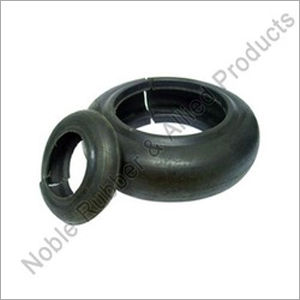
Tyre Couplings

Tyre Couplings Specification
- Surface Finish
- Shot blasted and painted flanges
- Color
- Black
- Width
- Based on model, ranges from 45 mm to 120 mm
- Ash %
- 2%
- Flame Resistance Level
- Standard; flame resistant grades available on request
- Tensile Strength
- 15-20 MPa
- Components
- Two metal flanges, rubber tyre element, fasteners
- Product Type
- Tyre Coupling
- Usage & Applications
- Flexible power transmission between two shafts, compensates for misalignment, shock absorption in machinery such as pumps, compressors, conveyors
- Material
- Cast Iron flanges with Natural or Synthetic Rubber tyre element
- Diameter
- 60 mm to 400 mm (overall coupling diameter as per model)
- Part Type
- Coupling Assembly
- Thermal Conductivity
- Negligible
- Length
- Depends on coupling size; 90 mm to 250 mm
- Temperature Resistance
- -40C to +70C
- Compression Ratio
- 3:1
- Volatile Matter (%)
- 1.5%
- Tolerance
- 0.05 mm
- Feature
- Vibration damping, maintenance-free, easy installation
- Thickness
- 12 mm to 30 mm (tyre element thickness)
- Nitrogen Content (%)
- 1%
- Density
- 1.2 Gram per cubic centimeter(g/cm3)
- Weight
- 1.5 kg to 28 kg (depending on size)
- Size
- Varies; available in multiple sizes to suit shaft diameters from 12 mm to 150 mm
- Water Absorption
- < 1%
- Hardness
- 60-70 Shore A
- Resistance level
- High to oil, grease and abrasion
- Style
- Flexible/Resilient Coupling
- Rubber Type
- Natural or Synthetic Rubber
- Natural Rubber
- Yes, high quality natural rubber/NR
- ISO/Standard Compliance
- IS 1878/Part 1-1988 or equivalent
- Service Factor
- 1.0 to 2.5 depending on operation
- Misalignment Capability
- Axial 2 mm, Angular 4, Radial 4 mm
- Torque Capacity
- 50 Nm to 18,000 Nm (depending on coupling size)
- Application Industries
- Mining, Cement, Power, Steel, Agriculture, Beverages
- Installation
- Simple, no lubrication required
- Corrosion Resistance
- Good with painted/coated flanges
- Maintenance
- Virtually maintenance-free; only requires tyre replacement if worn or damaged
- Max Speed
- up to 4,500 rpm
Tyre Couplings Trade Information
- Minimum Order Quantity
- 12 Pieces
- Supply Ability
- Piece
- Delivery Time
- 1-7 Days
- Sample Available
- Yes
- Packaging Details
- Wooden Packaging/Boxes
- Main Domestic Market
- All India
- Certifications
- MSME
About Tyre Couplings
Under the changed requisites of our customers, we are instrumental in offering a broad array of Tyre Couplings that is used motor, machines and other different component of automobile industries to provide flexibility by reducing the vibration and shock and help to reduce and handle misalignment in different plane. Offered range is easy to install, require no maintenance, available in different standard and can with stand with harsh condition. Apart from this our customers can buy these Tyre Couplings in different specifications at affordable rates.
Features:
- Anti-corrosion
- Easy installation
- Robust construction
- High strength
Versatile Power Transmission Solutions
Engineered to deliver reliable and flexible power transmission, tyre couplings seamlessly accommodate a wide torque capacity range and provide exceptional misalignment capability. Their shock-absorbing design makes them ideal for machinery such as pumps, compressors, and conveyors in challenging environments like mining, steel, and cement plants.
Maintenance-Free and Durable Construction
These couplings are virtually maintenance-free owing to their robust cast iron flanges and high-quality natural or synthetic rubber elements. Installation is user-friendly, requiring no lubrication. Maintenance is limited to inspection and tyre replacement only when wear or damage is observed, ensuring long-term, trouble-free operation.
Superior Material and Performance Standards
Built to last, tyre couplings feature painted or coated flanges for excellent corrosion resistance and a rubber element engineered for outstanding oil, grease, and abrasion resistance. They comply with stringent standards, offering assurance of quality, safety, and operational reliability for critical machinery.
FAQs of Tyre Couplings:
Q: How are tyre couplings installed, and do they require lubrication?
A: Tyre couplings are designed for easy, straightforward installation. They do not require lubrication, simplifying maintenance and reducing downtime. The coupling consists of two metal flanges and a rubber tyre element secured with fasteners.Q: What maintenance is needed for tyre couplings?
A: These couplings are virtually maintenance-free. Routine inspections are recommended, but the only required action is replacing the rubber tyre element if it shows signs of wear or damage. All other components are designed to be long-lasting and resistant to harsh operating conditions.Q: Where are tyre couplings commonly used?
A: Tyre couplings are widely used in industrial settings such as mining, cement, power generation, steel processing, agriculture, and beverage production. They are ideal for pumps, compressors, conveyors, and other rotating machinery that benefit from their vibration damping and misalignment compensation capabilities.Q: What makes tyre couplings beneficial for power transmission?
A: Their flexible design allows tyre couplings to accommodate substantial misalignment (axial 2 mm, angular 4, radial 4 mm) while efficiently absorbing shocks and vibrations. This prolongs equipment lifespan, enhances operational safety, and ensures smooth power transmission even in demanding conditions.Q: When should the tyre element in the coupling be replaced?
A: The rubber tyre element should be replaced if it becomes worn, cracked, or damaged during operation. Regular visual inspections help identify any signs of deterioration and ensure reliable coupling performance.Q: How do tyre couplings handle harsh environments?
A: With robust cast iron flanges and high-quality natural or synthetic rubber tyres, these couplings offer strong resistance to oil, grease, abrasion, and corrosion. Painted or coated surfaces further enhance durability, making them suitable for tough industrial environments.Q: What industry standards do these tyre couplings meet?
A: These couplings comply with IS 1878/Part 1-1988 or equivalent international standards. This assures users of consistent quality, safety, and compatibility in industrial applications.Tell us about your requirement

Price:
Quantity
Select Unit
- 50
- 100
- 200
- 250
- 500
- 1000+
Additional detail
Mobile number
Email


Noble Rubber Industries
Mumbai, Maharashtra
Mumbai, Maharashtra
5, Gokul Niwas, Pednekar Wadi, Aarey Road,Mumbai - 400063, Maharashtra, India
Phone :07971459280
 Send Inquiry
- Rubber Bellows
- Rubber Packing
- Oil Seals
- Rubber Buffer
- EPDM Rubber Profile
- Rubber Gaskets
- Rubber Diaphragms
- Bonded Components
- RUBBER HOSE
- O Rings
- Engine Mountings
- Tyre Couplings
- Silicone Rubber Rollers
- Rubber Bushings
- Food Grade Rubber Hose
- Automotive Bushings
- Rubber End Caps
- Asbestos Jointing Sheets
- Rubber Sleeve
- Rubber Tube
- Bottle Griper
- Anti Vibration Pad
- Rubber Profile
- CEMENT MILL
- HOSE PIPE
- COVID-19 Products
- Rubber Seals
- Pneumatic Seals
- PTFE Components
 Send Inquiry
 Send SMS
NOBLE RUBBER & ALLIED PRODUCTS
All Rights Reserved.(Terms of Use)
Developed and Managed by Infocom Network Private Limited.
Developed and Managed by Infocom Network Private Limited.

