
Call us now
07971459280
Metal To Rubber Bonded Products
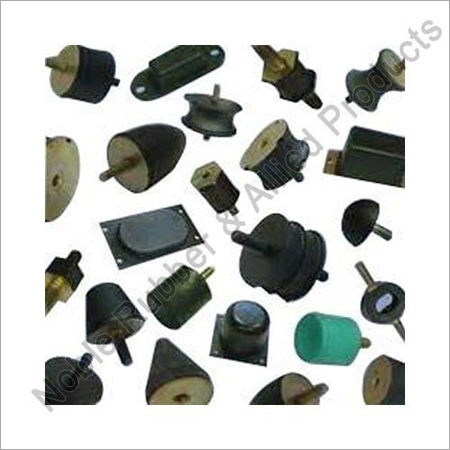

Metal To Rubber Bonded Products Specification
- Weight
- As per component, varies with size
- Rubber Type
- Natural, Nitrile (NBR), Neoprene, EPDM, Silicone, as per application
- Length
- Up to 500 mm or as specified
- Compression Ratio
- 10-25% standard
- Tensile Strength
- 10-25 MPa
- Feature
- Highly durable, corrosion-resistant, flexible, good load bearing, excellent bonding, long service life
- Style
- Customized as per application
- Part Type
- Mount, Bushing, Seal, Gasket, Custom
- Tolerance
- 0.2 mm or as specified
- Thermal Conductivity
- Varies by metal core (typically low for rubber)
- Product Type
- Metal to rubber bonded products
- Color
- Black, as required
- Material
- Metal (Steel, Stainless Steel, Aluminium) and Rubber (Natural or Synthetic)
- Hardness
- 40-80 Shore A
- Diameter
- Upto 400 mm (customizable)
- Density
- 1.4 Gram per cubic centimeter(g/cm3)
- Resistance level
- Resistant to oil, abrasion, weather, ozone, and chemicals
- Usage & Applications
- Vibration isolation, shock absorption, mechanical parts, anti-vibration mountings, seals, gaskets, bushings, automotive, machinery, industrial equipment.
- Components
- Rubber bonded to metal core or insert
- Ash %
- Max. 5%
- Surface Finish
- Smooth or as required
- Temperature Resistance
- -40C to +120C (depending on rubber type)
- Water Absorption
- Negligible (< 1%)
- Volatile Matter (%)
- Below 2%
- Nitrogen Content (%)
- Less than 1%
- Thickness
- 3 mm to 50 mm (custom as needed)
- Natural Rubber
- Available as an option
- Flame Resistance Level
- Available on request with special compounds
- Size
- As per drawing or customer specification
- Width
- Customizable as per requirement
- OEM Service
- Available
- Environmental Compliance
- RoHS compliant materials available
- Static/Dynamic Applications
- Suitable for both static and dynamic loads
- Electrical Insulation
- Excellent (where applicable)
- Aging Resistance
- Good, with special rubber grades on request
- Bonding Technique
- Chemical and mechanical bonding
- Metal Treatment
- Shot blasted and/or phosphate coated for bonding
- Customization
- Manufactured to customer drawing or sample
Metal To Rubber Bonded Products Trade Information
- Minimum Order Quantity
- 100 Pieces
- Payment Terms
- Letter of Credit (L/C), Letter of Credit at Sight (Sight L/C), Cheque
- Supply Ability
- Piece
- Delivery Time
- 1-7 Days
- Sample Available
- Yes
- Sample Policy
- Contact us for information regarding our sample policy
- Packaging Details
- Wooden Packaging/Boxes
- Main Domestic Market
- All India
- Certifications
- MSME
About Metal To Rubber Bonded Products
Due to our profound knowledge and understanding, we are offering a wide gamut of Metal To Rubber Bonded Products. We design these products by using optimum quality rubber and technological advancements under the guidance of experienced professionals. With features such as perfect dimensions, high tolerance ,thermal & pressure resistance, and durability, these components are widely used in electrical and automotive industries. As a manufacturer, exporter, trader and supplier, we provide these Metal To Rubber Bonded Products in different specifications at affordable prices.
Features:
- Thermal resistance
- Dimensional accuracy
- Application specific structure
- Smooth finish
Precision Bonding for Superior Performance
Our metal to rubber bonded products feature expertly engineered bonding using both chemical and mechanical methods. Metals are meticulously treatedshot blasted and/or phosphate coatedto maximize adhesive strength, ensuring reliable performance under static or dynamic loads. This process delivers exceptional durability and resilience, even in challenging environments.
Custom Manufacturing to Meet Your Specifications
We manufacture each component to your specific drawing or sample, offering tailored sizes, diameters, thicknesses, and styles. Whether you require standard or specialized rubber grades, we adapt materials and design to meet unique requirements in automotive, machinery, vibration control, gasket, mounting, or sealing applications.
Unmatched Environmental and Electrical Compliance
Our products are designed for environmental responsibility, using RoHS compliant materials where necessary. Where electrical insulation is required, rubber offers excellent non-conductivity, making these parts ideal for both safety-critical and high-performance industrial equipment.
FAQs of Metal To Rubber Bonded Products:
Q: How are metal to rubber bonded products manufactured for optimum bonding strength?
A: Metal to rubber bonded products are made using advanced chemical and mechanical bonding techniques. Metals such as steel, stainless steel, or aluminum are shot blasted and/or phosphate coated to enhance adhesion with rubber, ensuring durable and reliable bonding in both static and dynamic applications.Q: What customization options are available for these bonded components?
A: You can specify virtually every aspect of your product, including width, thickness, diameter, hardness, surface finish, rubber type (natural, NBR, neoprene, EPDM, silicone), and even tensile strength. Products are manufactured from your drawings or samples, ensuring precise fit and functionality.Q: When should I use metal to rubber bonded products in my application?
A: These bonded components are ideal for vibration isolation, shock absorption, anti-vibration mountings, seals, gaskets, bushings, and other mechanical parts in automotive, machinery, and industrial equipment. Their resistance to oil, abrasion, chemicals, and harsh environments makes them suitable for both indoor and outdoor use.Q: Where can these products be used and in what industries?
A: Metal to rubber bonded products are widely used in industries such as automotive, manufacturing, machinery, power generation, and industrial equipment. They are suitable for applications requiring vibration control, sealing, insulation, and mechanical flexibility.Q: What is the process for ordering customized parts?
A: To order, provide your drawings or sample along with specifications for material, size, style, hardness, and any special requirements. Our OEM service team will advise on the suitable rubber grade, resistance levels, and environmental compliance, then manufacture your parts to exact requirements.Q: What benefits do these bonded products provide over alternatives?
A: They offer superior durability, corrosion resistance, excellent load bearing, and long service life. Rubber imparts flexibility, electrical insulation, and environmental protection, while metal provides structural strength. Customizable properties ensure optimal performance in each specific application.Tell us about your requirement

Price:
Quantity
Select Unit
- 50
- 100
- 200
- 250
- 500
- 1000+
Additional detail
Mobile number
Email

More Products in Bonded Components Category
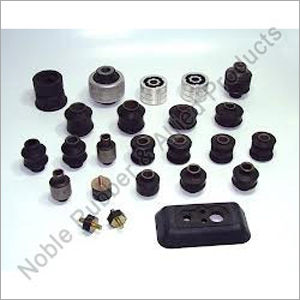
Rubber Bonded Parts
Price 290 INR
Minimum Order Quantity : 100 Pieces
Temperature Resistance : 40C to +120C
Water Absorption : Negligible
Size : Standard and custom sizes available
Width : Customizable as per requirements

Noble Rubber Industries
Mumbai, Maharashtra
Mumbai, Maharashtra
5, Gokul Niwas, Pednekar Wadi, Aarey Road,Mumbai - 400063, Maharashtra, India
Phone :07971459280
 Send Inquiry
- Rubber Bellows
- Rubber Packing
- Oil Seals
- Rubber Buffer
- EPDM Rubber Profile
- Rubber Gaskets
- Rubber Diaphragms
- Bonded Components
- RUBBER HOSE
- O Rings
- Engine Mountings
- Tyre Couplings
- Silicone Rubber Rollers
- Rubber Bushings
- Food Grade Rubber Hose
- Automotive Bushings
- Rubber End Caps
- Asbestos Jointing Sheets
- Rubber Sleeve
- Rubber Tube
- Bottle Griper
- Anti Vibration Pad
- Rubber Profile
- CEMENT MILL
- HOSE PIPE
- COVID-19 Products
- Rubber Seals
- Pneumatic Seals
- PTFE Components
 Send Inquiry
 Send SMS
NOBLE RUBBER & ALLIED PRODUCTS
All Rights Reserved.(Terms of Use)
Developed and Managed by Infocom Network Private Limited.
Developed and Managed by Infocom Network Private Limited.

